
Gates
Made-to-measure garden gates: what should be specified?
The opening measurement is only the beginning. A reliable gate depends on the posts, frame, ironmongery and daily route.
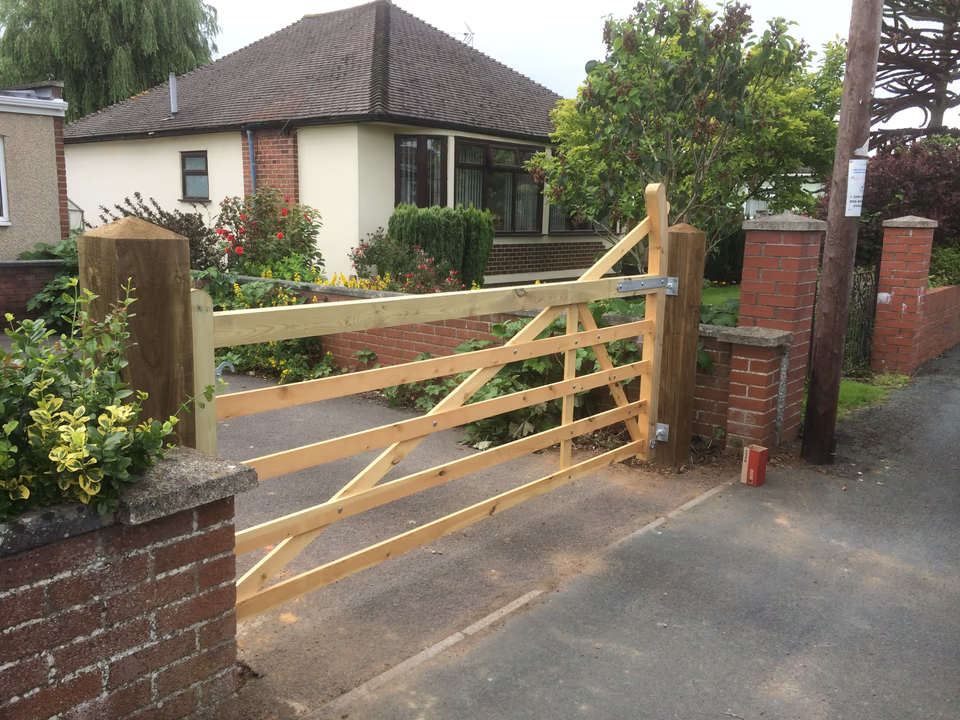
Define how the opening is used
A side gate used several times a day needs a different latch and clearance from an occasional garden gate. Note whether the route carries bins, bikes, mowers, pushchairs or wheelbarrows and whether it must be operable from both sides.
Security, privacy and ease of use can pull the design in different directions. A very tall solid gate is heavier and receives more wind load than an open-boarded design.
Survey the supports as well as the gap
Existing walls and posts may not be plumb or strong enough for the proposed gate. The final leaf size depends on hinge type, latch, clearances and whether new posts are being installed.
Where the gate joins new fencing, designing the post positions together produces a cleaner result than treating the gate as a leftover opening.
Specify the frame and ironmongery
The frame resists sagging; the hinges transfer that load into the supporting post. Wider or heavier gates require suitable bracing and hinge length.
- Opening direction and available swing
- Finished height and privacy level
- Board orientation and matching fence details
- Hinge type, latch, drop bolt or lock requirement
- Ground clearance through the full swing
- Stops, catches and protection from wind slamming
Plan for seasonal movement
Timber expands and contracts as moisture changes. The installer needs enough working clearance without leaving an excessive gap. Drainage and vegetation around the bottom of the gate also affect long-term operation.
A fitted gate should be checked after installation and adjusted if the new posts or surrounding ground settle.
Common questions
Questions this guide often raises.
01Can a new gate use the existing posts?
02Should a garden gate open inwards?
03Can a timber gate match closeboard fencing?
Related installation services
Keep planning
Related practical guides.
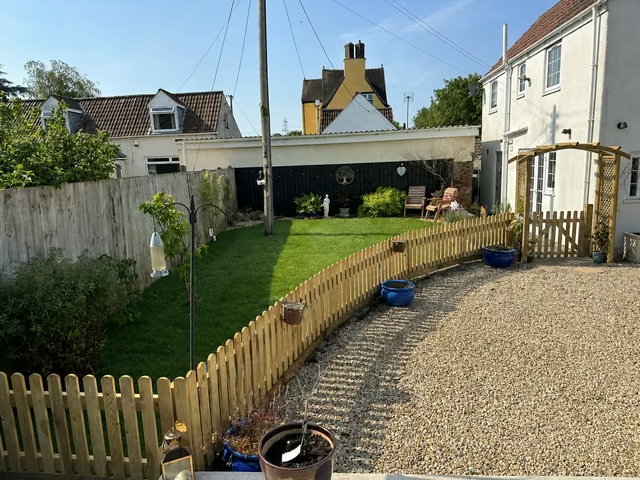
How to plan dog-safe garden fencing
A dog-safe boundary is a complete system: fence, ground line, corners and gate all need to work together.
Read the guide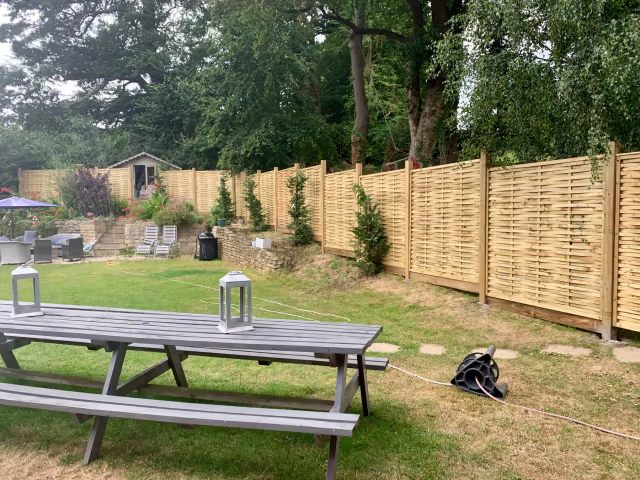
Do you need planning permission for a fence or garden gate?
Many domestic boundaries fall within permitted development, but road-facing positions, height, listed buildings and local restrictions can change the answer.
Read the guide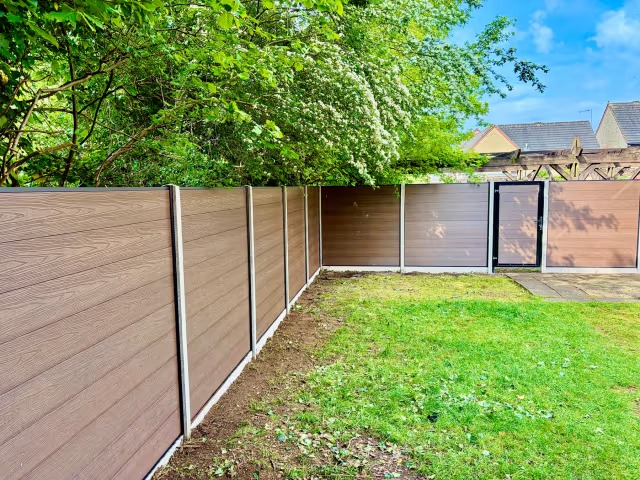
Timber gates or composite gates: which should you choose?
Composite infill can match a low-maintenance boundary; timber allows broader bespoke detailing. The frame and hinges remain critical.
Read the guide