
Fencing
How to plan dog-safe garden fencing
A dog-safe boundary is a complete system: fence, ground line, corners and gate all need to work together.
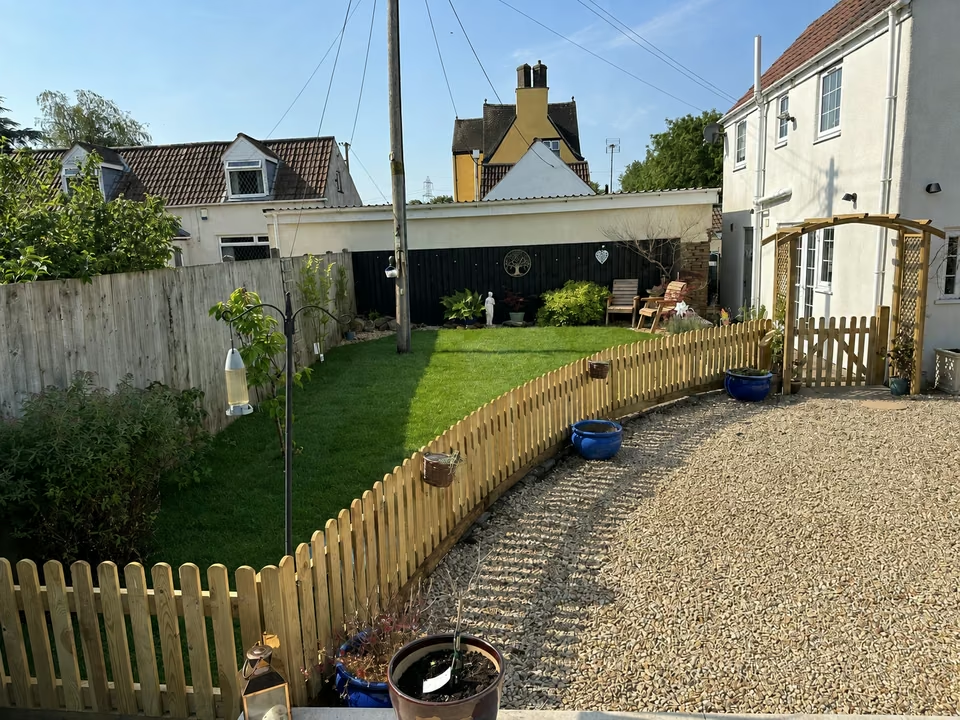
Start with the dog’s behaviour
A small dog that squeezes through gaps needs a different solution from a large dog that jumps or pushes against the boundary. Note whether the dog digs, climbs, reacts to movement outside or waits at the gate.
This determines the useful height, board spacing, visibility and ground detail. There is no single panel that is automatically dog-safe for every pet.
Close the weak points
Check under gates, beside walls, around sheds and where the garden changes level. A secure run can fail at one triangular gap or where soft soil allows digging beneath a board.
- Set the bottom detail to suit ground levels without trapping timber in wet soil
- Avoid climbable rails on the dog’s side where jumping is a concern
- Use board spacing that cannot trap a head or paw
- Return fencing neatly into walls and buildings
- Specify hinges and latches for the gate’s weight and daily use
Privacy can change behaviour
Some dogs are calmer when movement outside is screened; others benefit from controlled visibility. Closeboard, composite or carefully spaced slats can reduce visual triggers along a busy footpath.
A fully solid fence also receives more wind load, so privacy and exposure must be considered together.
Make the gate part of the plan
The gate should not be an afterthought added to the final bay. Its width, frame, swing, ground clearance, latch position and closing action all affect security.
Tell the installer how the route is used—for bins, bicycles, mowers or pushchairs—so the secure solution remains practical for the household.
Common questions
Questions this guide often raises.
01How high should a dog fence be?
02Is composite fencing suitable for dogs?
03Can an existing fence be made more secure?
Related installation services
Keep planning
Related practical guides.
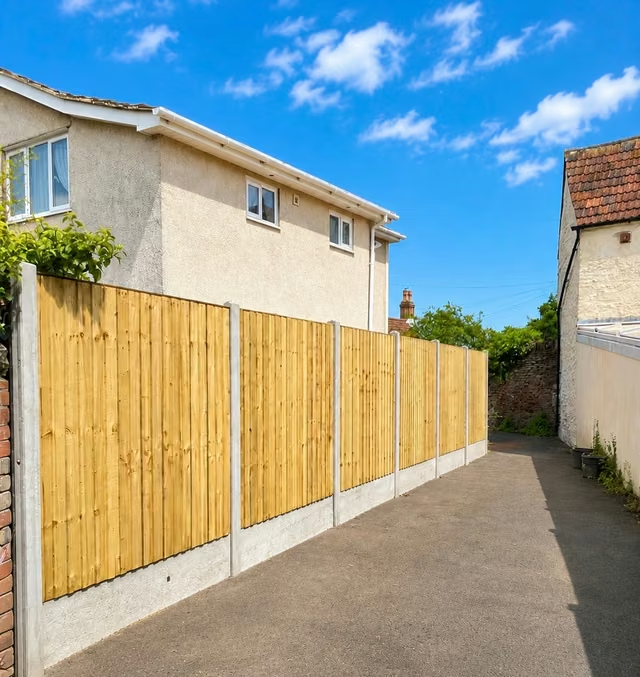
What affects the cost of new garden fencing in Bristol?
Why two boundaries of the same length can produce very different quotations—and what information helps an installer price the work accurately.
Read the guide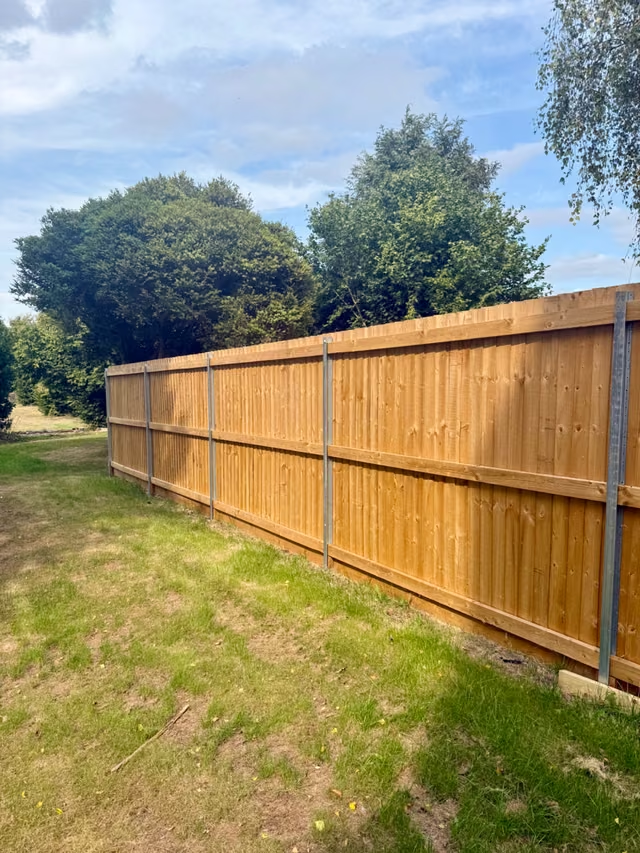
Should a damaged garden fence be repaired or replaced?
A failed panel does not always mean a complete new fence—but repeated post failures often point to a bigger problem.
Read the guide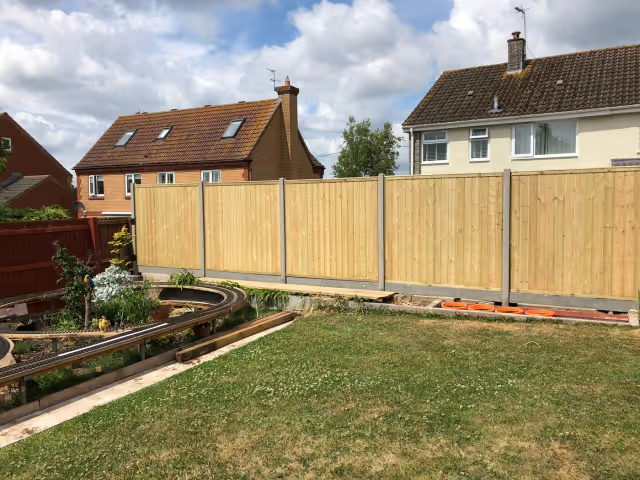
Closeboard fencing or fence panels: which is right for your garden?
Both can form a good boundary. The better option depends on levels, access, desired finish and how you want future repairs handled.
Read the guide