
Fencing
What happens during a professional fence installation?
Knowing the sequence makes quotations easier to compare and helps the job run smoothly around neighbours, access and planting.
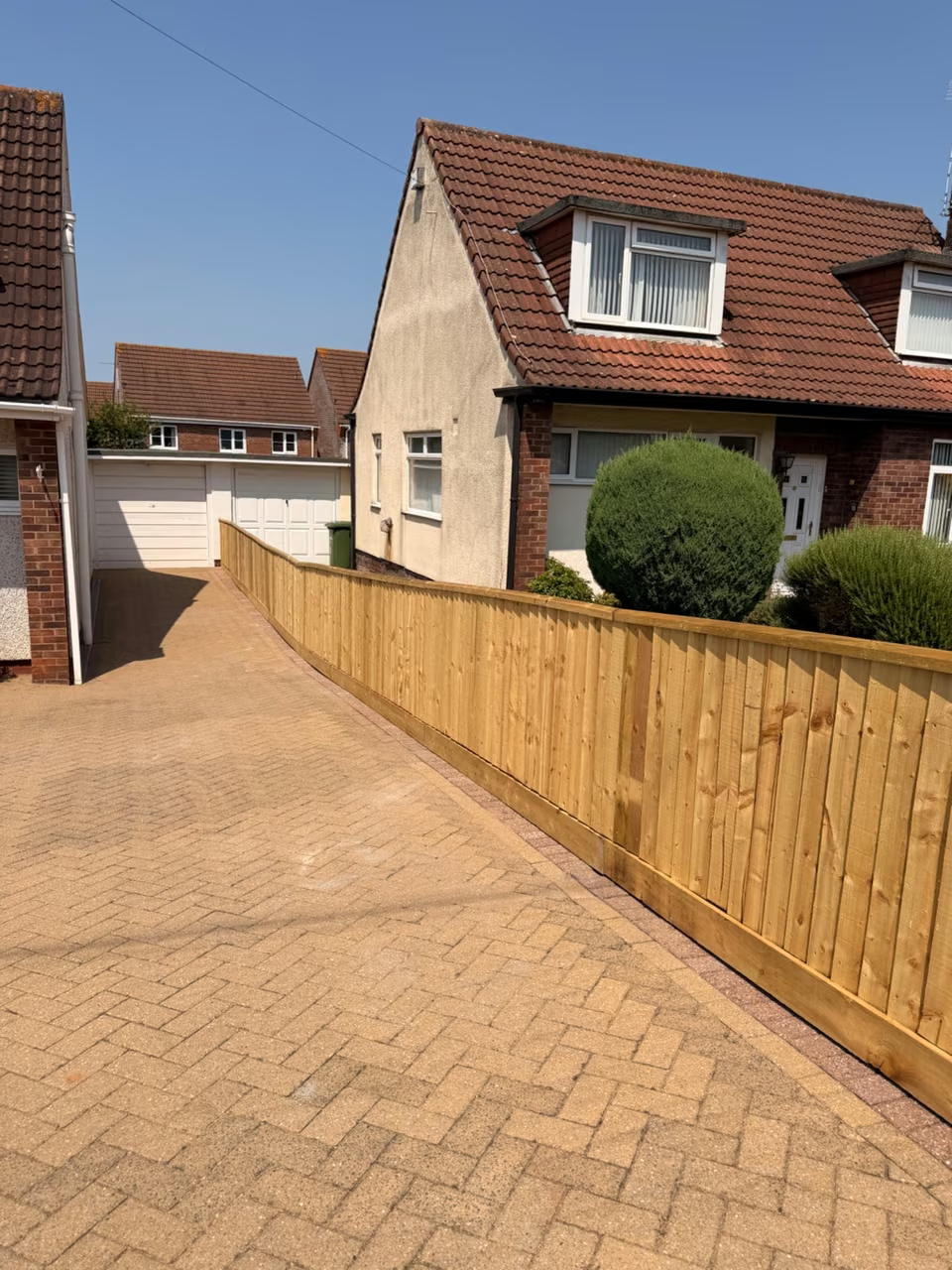
1. Initial brief and site survey
The installer needs the location, approximate length, preferred style and any immediate problem such as storm damage or an insecure garden. Photographs help, but the survey checks access, levels, corners, retained ground, planting and the existing construction.
This is also the time to discuss neighbours, pets, gates and whether temporary security is needed while the old fence is removed.
2. Written specification and set-out
The quotation should identify the visible fencing and the supporting system. Before digging begins, the agreed boundary line, heights, steps and gate positions are set out on site.
Service drawings and obvious covers should be considered, but homeowners should share any known information about buried utilities, private drainage, lighting cables or irrigation.
3. Removal, foundations and structure
Old materials and concrete are removed to the agreed extent. Post holes are formed for the chosen system, with spacing adjusted around corners, gates and level changes. The post line is checked before rails, channels, gravel boards or panels are installed.
This stage may reveal hidden obstructions. A good process explains any necessary change before proceeding rather than disguising it in the finished work.
4. Infill, gates and finishing
Boards or panels are fitted to a consistent line, cuts are finished, caps and trims are installed and gates are hung with suitable clearances and hardware. The team checks operation from both sides.
Agreed waste is removed, work areas are swept and any maintenance or curing precautions are discussed at handover. The result should match the written scope, including the less visible details.
Common questions
Questions this guide often raises.
01Do I need to speak to my neighbour first?
02Will plants need to be removed?
03How long does installation take?
Related installation services
Keep planning
Related practical guides.
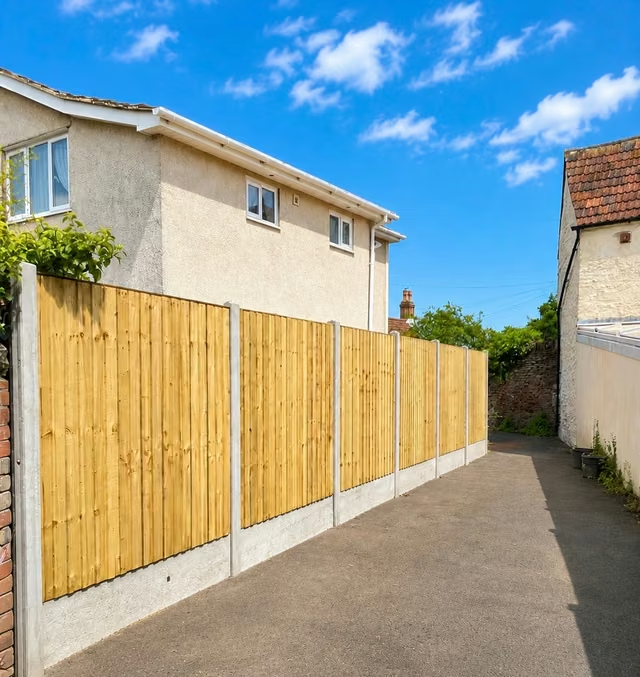
What affects the cost of new garden fencing in Bristol?
Why two boundaries of the same length can produce very different quotations—and what information helps an installer price the work accurately.
Read the guide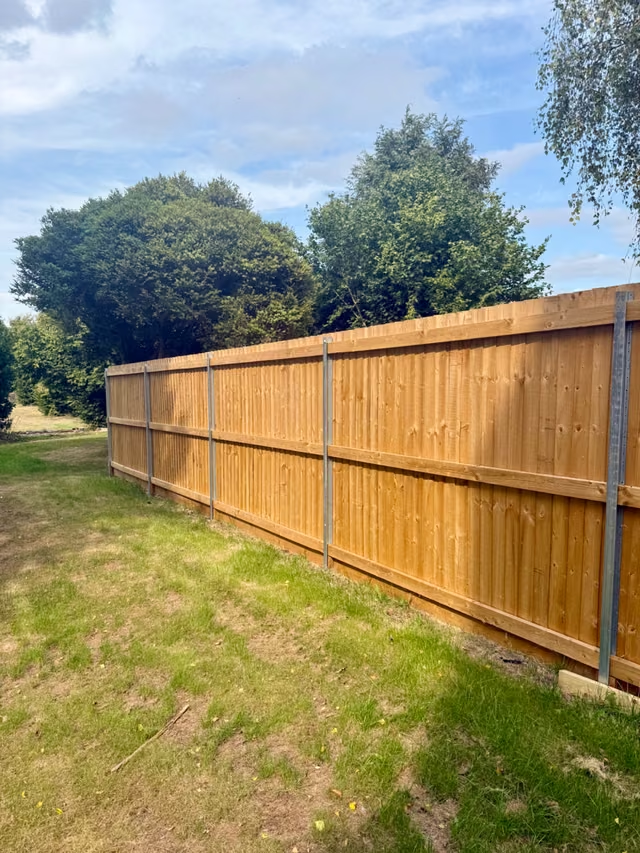
Should a damaged garden fence be repaired or replaced?
A failed panel does not always mean a complete new fence—but repeated post failures often point to a bigger problem.
Read the guide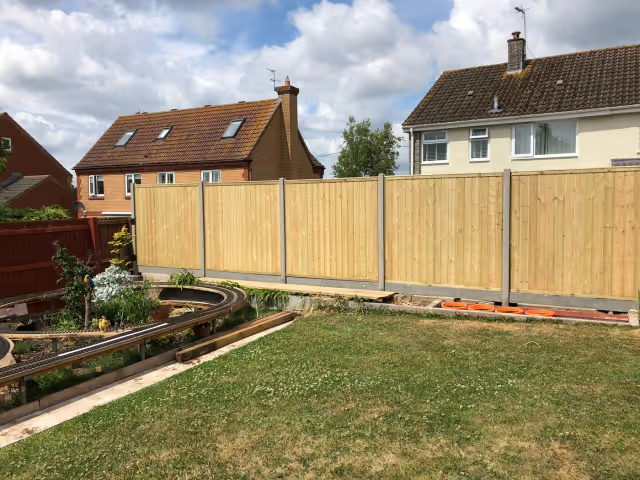
Closeboard fencing or fence panels: which is right for your garden?
Both can form a good boundary. The better option depends on levels, access, desired finish and how you want future repairs handled.
Read the guide