
Fencing
How to add garden privacy without making the space feel closed in
Privacy is about sightlines, not simply choosing the tallest solid panel. A targeted screen can often work better.
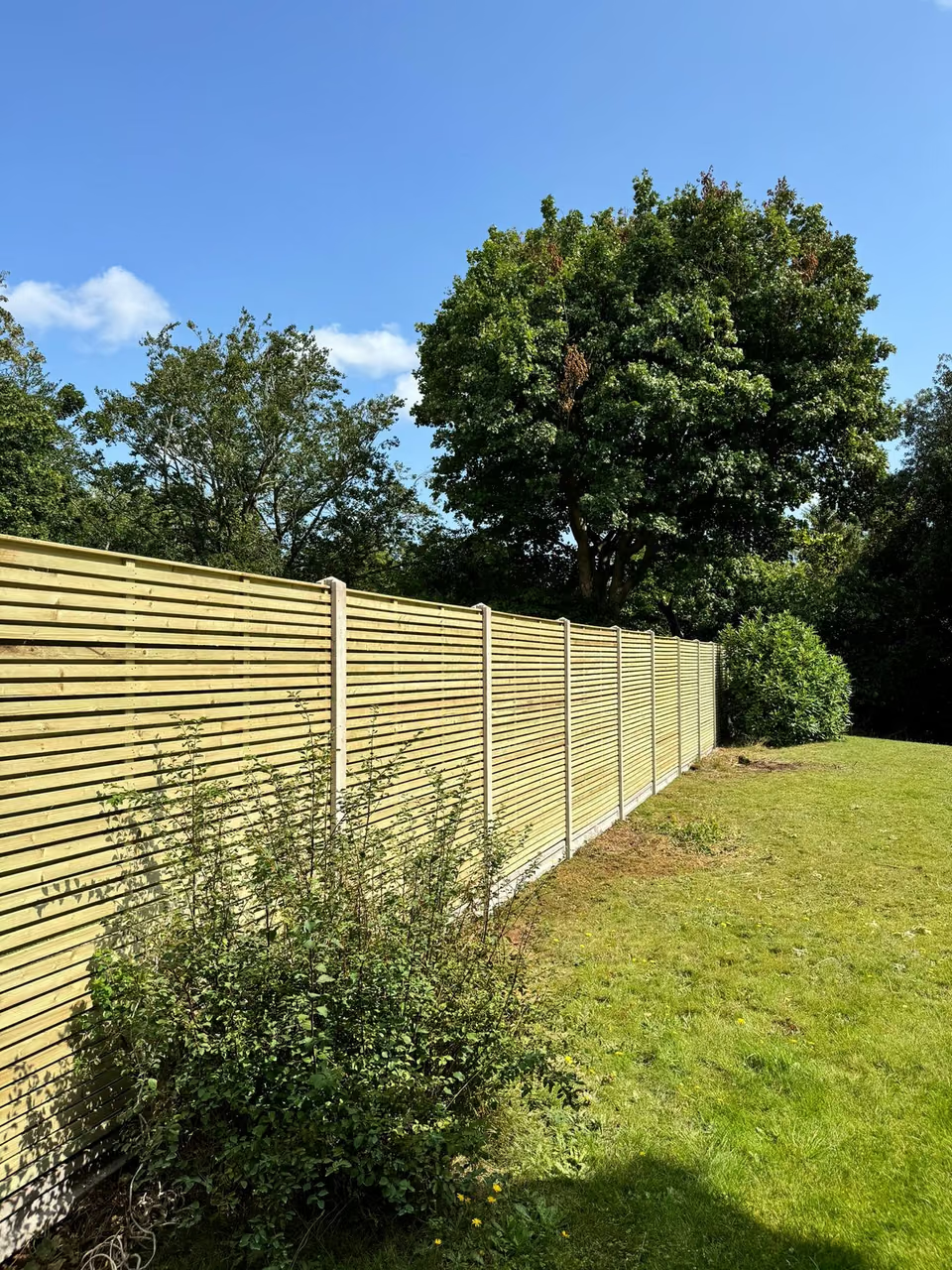
Design around the view you want to interrupt
Stand where privacy matters—the patio table, kitchen doors or favourite seating area—and look towards the overlooking window or path. That sightline tells you where screening is needed and how wide it needs to be.
A full-height solid boundary around the whole garden may remove more light than necessary. A focused screen, pergola side or trellis section can be more effective and feel less defensive.
Useful screening options
Different materials create different levels of privacy and light transmission.
- Closeboard or solid panels for dependable boundary privacy
- Alternating hit-and-miss boards for airflow and softened views
- Horizontal or vertical slats for directional screening
- Trellis above a suitable base fence to support planting
- A pergola or freestanding screen around a specific seating area
Balance both sides of the boundary
A double-sided or framed design can give both properties a considered finish. Where a neighbour shares the boundary, agree access and the intended appearance before work starts.
Plants can soften the structure, but allow space for growth and maintenance. Dense climbers should not be allowed to pull on lightweight panels or trap damp indefinitely.
Height is not the only answer
Changing the angle, board spacing or position of a screen can block a view with less overall mass. On sloping sites, a small level change can make a large difference to the required height.
Check planning and property restrictions before increasing a boundary. Heritage can discuss the physical installation, while the property owner remains responsible for confirming permissions and legal boundaries.
Common questions
Questions this guide often raises.
01Do slatted fences provide complete privacy?
02Can trellis be added to an existing fence?
03What is the least enclosing privacy option?
Keep planning
Related practical guides.
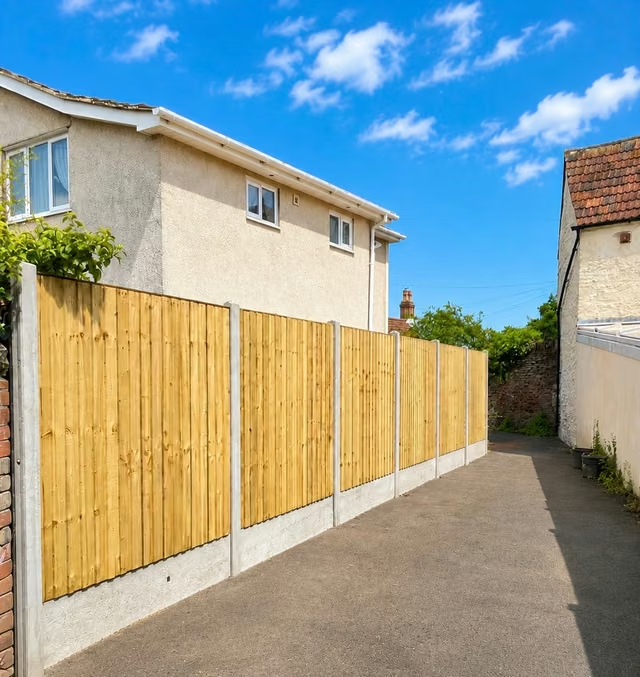
What affects the cost of new garden fencing in Bristol?
Why two boundaries of the same length can produce very different quotations—and what information helps an installer price the work accurately.
Read the guide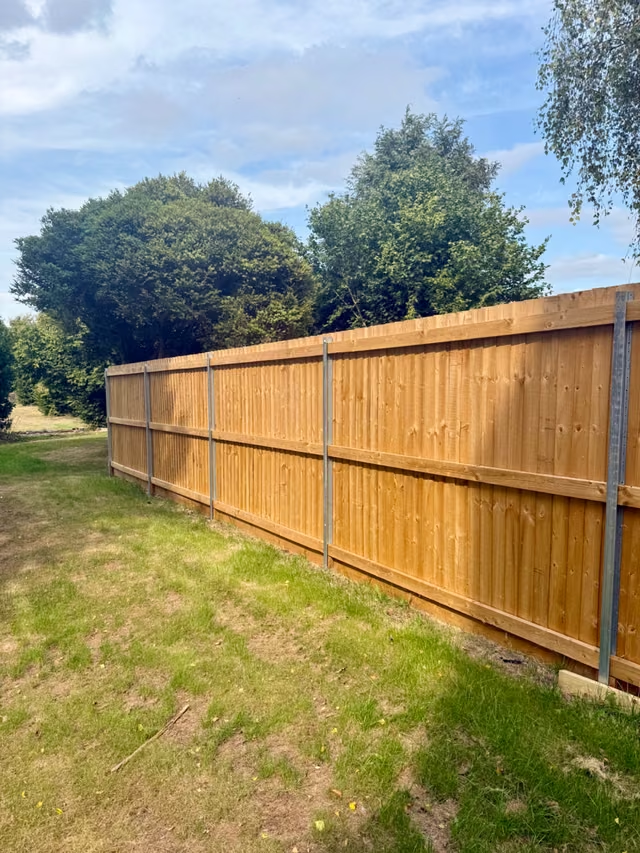
Should a damaged garden fence be repaired or replaced?
A failed panel does not always mean a complete new fence—but repeated post failures often point to a bigger problem.
Read the guide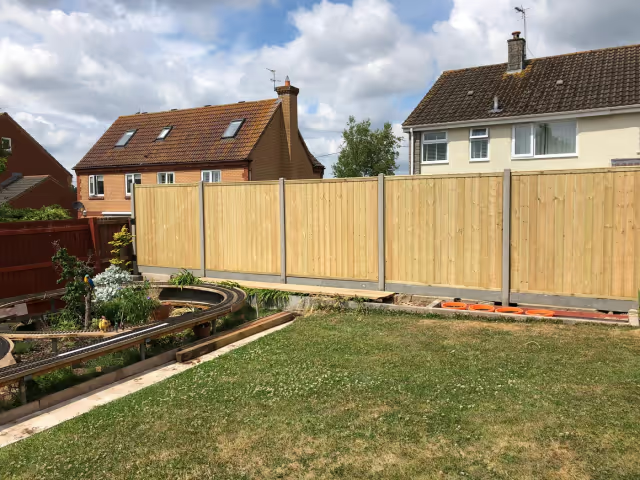
Closeboard fencing or fence panels: which is right for your garden?
Both can form a good boundary. The better option depends on levels, access, desired finish and how you want future repairs handled.
Read the guide