
Fencing
What type of fence works best in a windy garden?
Wind performance depends on the whole structure. A more open board pattern can help, but foundations and layout still do the real work.
Why some boundaries fail repeatedly
Wind does not act evenly across a garden. Gaps between buildings, exposed corners, hilltop plots and coastal routes can concentrate pressure on a short section of fencing. Replacing the same failed detail with the same specification can repeat the problem.
The installer should look at the direction of exposure, the length and height of the run, nearby structures, ground conditions and how the old fence failed.
Board styles that reduce wind resistance
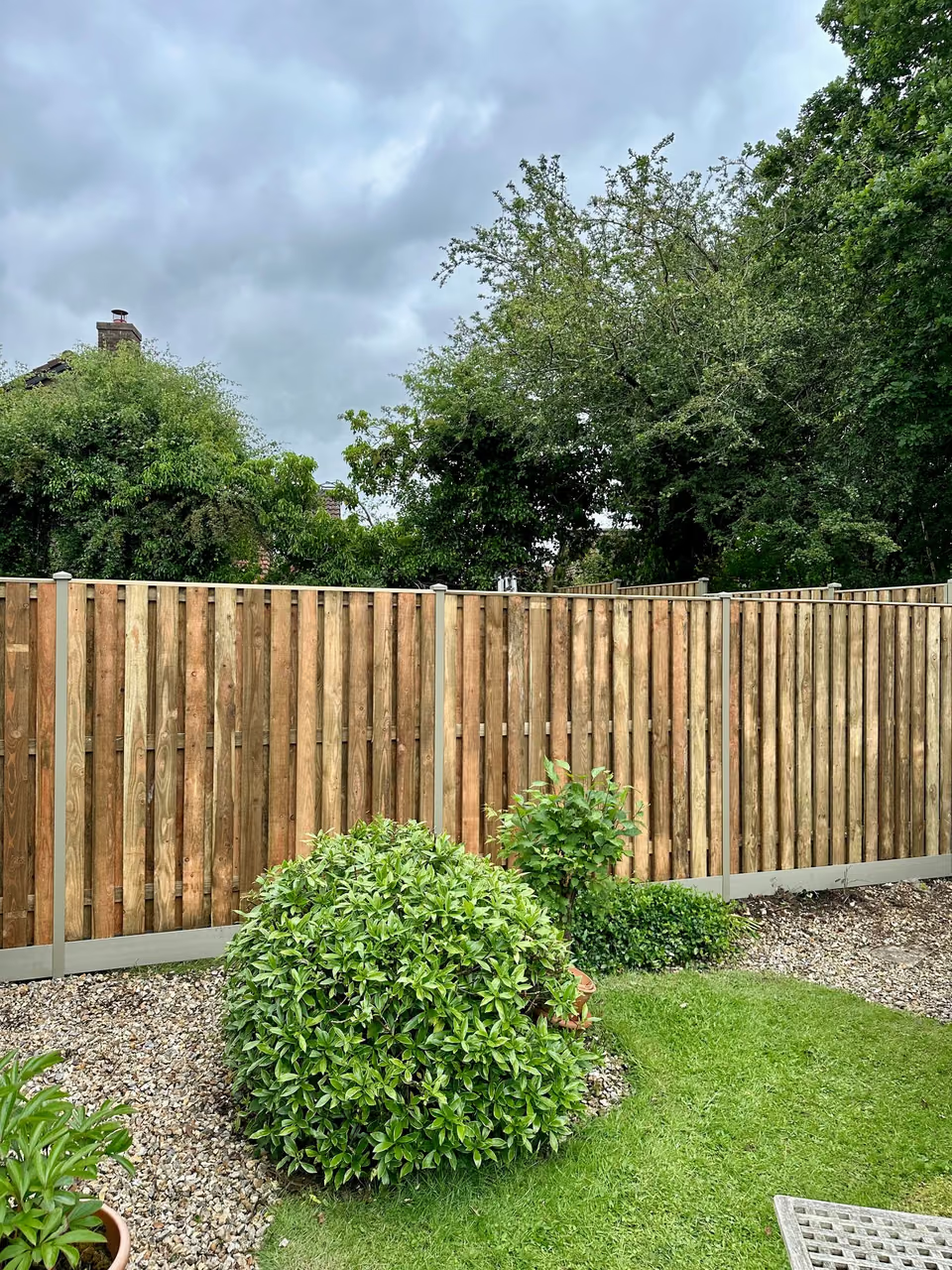
Hit-and-miss and selected slatted designs allow some air movement through the fence. This can reduce the pressure difference across the boundary while still providing useful screening.
More open does not mean maintenance-free or immune to storms. The rails, posts, fixings and foundations still need to form a coherent structural system. Privacy also changes with the viewing angle, so samples or completed-work photographs are useful.
The supporting system matters most
Shorter bay spacing, suitable post sections and correctly formed foundations may be appropriate on exposed sites. Ground softened by poor drainage or disturbed by old concrete needs particular attention.
Concrete and galvanised steel post systems avoid timber decay at the post itself, while treated timber can still be appropriate when detailed correctly. The choice should follow the complete design rather than a single product claim.
Plan before the next storm
If one bay has started moving, inspect the neighbouring posts before the whole run comes down. Trim heavy vegetation that is loading the fence and avoid fixing solid sheets or screening directly to a structure that was not designed for the extra wind load.
A site visit is especially valuable after repeated failures because the pattern of movement often reveals what needs changing in the replacement design.
Common questions
Questions this guide often raises.
01Are slatted fences windproof?
02Will shorter fence panels help?
03Can screening be fixed to an existing fence?
Keep planning
Related practical guides.
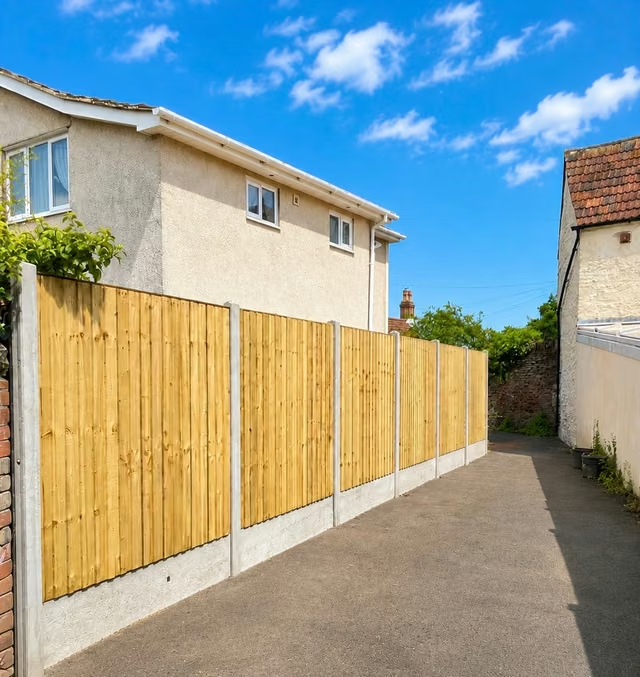
What affects the cost of new garden fencing in Bristol?
Why two boundaries of the same length can produce very different quotations—and what information helps an installer price the work accurately.
Read the guide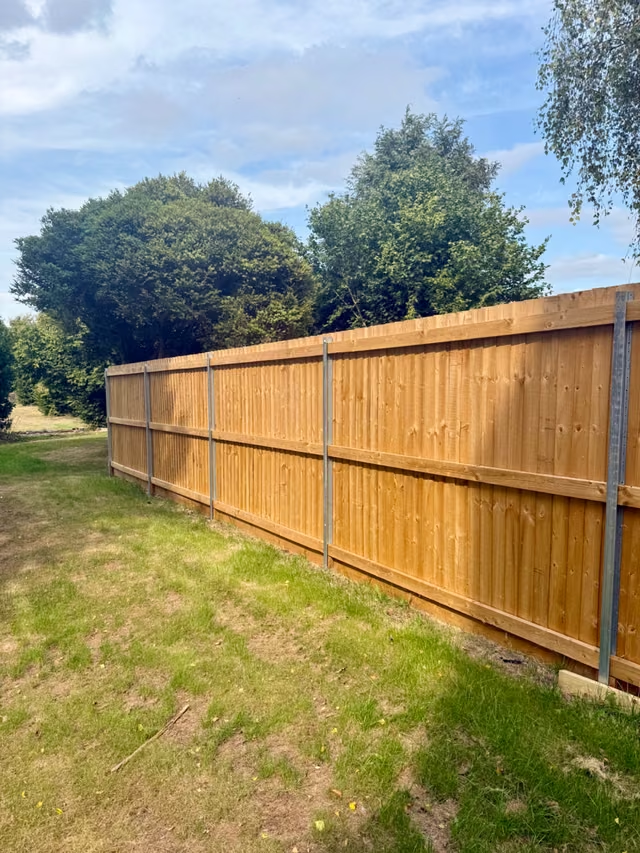
Should a damaged garden fence be repaired or replaced?
A failed panel does not always mean a complete new fence—but repeated post failures often point to a bigger problem.
Read the guide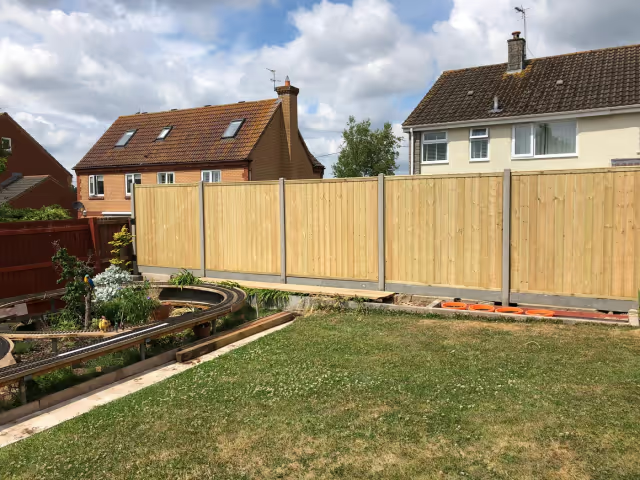
Closeboard fencing or fence panels: which is right for your garden?
Both can form a good boundary. The better option depends on levels, access, desired finish and how you want future repairs handled.
Read the guide